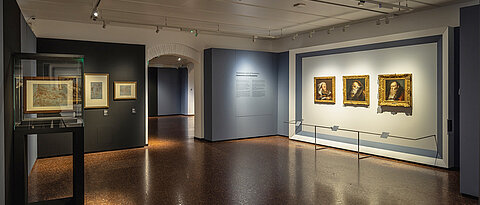
The first monographic exhibition on Giandomenico Tiepolo has just opened at the Gallerie d’Italia. The Martin von Wagner Museum at the University of Würzburg is acting as the lender – and as a partner.
From Frederick Barbarossa to the enigmatic Voynich Manuscript and on to digital city tours of Würzburg: the range of topics covered in the medieval history lecture series at the University of Würzburg is vast.
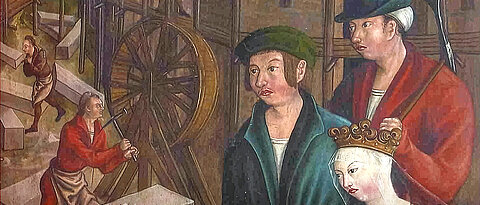
A new handbook examines the tremendous surge in innovation in architectural culture north of the Alps from the 14th to the 16th century. One of the co-editors is the Würzburg-based art historian Stefan Bürger.
Freelance work rather than working for a start-up: a study reveals what self-employed careers look like for graduates of the humanities and social sciences at JMU.
Music can be found all over the world, but it doesn’t sound the same everywhere: A journey of discovery with the Würzburg Children’s University on Saturday 17 October.
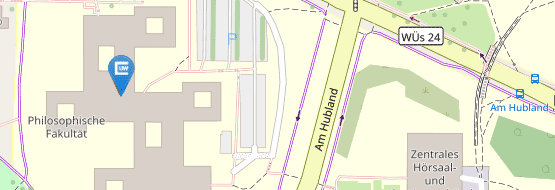
The Institute of History is looking for eyewitnesses who can tell about the Leighton Barracks in Hubland. Photographs of the former US barracks are also welcome.